ads

Thursday, November 23, 2017

Wold's Richest Man, Bill Gates, Prescribes 17 Books that can Make you Rich

 Being an authority on how success can be attained, the world's richest man, Bill Gates, has named some books everyone should read.
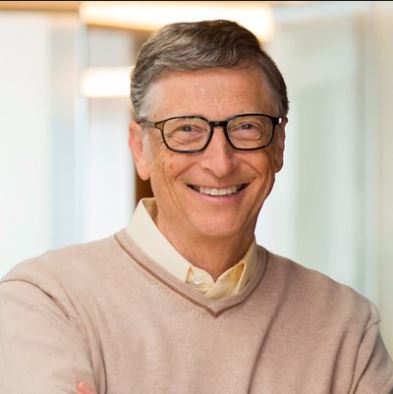
 
Bill Gates
 
While Bill Gates has a schedule that’s planned down to the minute, the entrepreneur-turned-billionaire-humanitarian still gobbles up about a book a week.
 
Aside from a handful of novels, they’re mostly nonfiction books covering his and his foundation’s broad range of interests. A lot of them are about transforming systems: how nations can intelligently develop, how to lead an organization, and how social change can fruitfully happen.
 
We went through the past five years of his book criticism to find the ones that he gave glowing reviews and that changed his perspective.
 
1. Tap Dancing to Work: Warren Buffett on Practically Everything, 1966-2012 by Carol Loomis
 
Warren Buffett and Gates have a famously epic bromance, what with their recommending books to each other and spearheading philanthropic campaigns together.
 
So it’s no surprise that Gates enjoyed Tap Dancing to Work, a collection of articles and essays about and by Buffett, compiled by Fortune magazine journalist Carol Loomis.
 
Gates says that anyone who reads the book cover-to-cover will walk away with two main impressions:
 
First, how Warren’s been incredibly consistent in applying his vision and investment principles over the duration of his career;
 
[S]econdly, that his analysis and understanding of business and markets remains unparalleled. I wrote in 1996 that I’d never met anyone who thought about business in such a clear way. That is certainly still the case.
 
Getting into the mind of Buffett is “an extremely worthwhile use of time,” Gates concludes.
 
2. Making the Modern World: Materials and Dematerialization by Vaclav Smil
 
Gates says his favorite author is Vaclav Smil, an environmental-sciences professor who writes big histories of things like energy and innovation.
 
His latest is Making the Modern World. It got Gates thinking.
 
“It might seem mundane, but the issue of materials — how much we use and how much we need — is key to helping the world’s poorest people improve their lives,” he writes.“Think of the amazing increase in quality of life that we saw in the United States and other rich countries in the past 100 years. We want most of that miracle to take place for all of humanity over the next 50 years.”
 
To know where we’re going, Gates says, we need to know where we’ve been — and Smil is one of his favorite sources for learning that.
 
3. The Sixth Extinction: An Unnatural History by Elizabeth Kolbert
 
It can be easy to forget that our present day is a part of world history. Gates says that New Yorker writer Elizabeth Kolbert’s new book The Sixth Extinction helps correct that.
 
“Humans are putting down massive amounts of pavement, moving species around the planet, over-fishing and acidifying the oceans, changing the chemical composition of rivers, and more,” Gates writes, echoing a concern that he voices in many of his reviews.
 
“Natural scientists posit that there have been five extinction events in the Earth’s history (think of the asteroid that wiped out the dinosaurs),” he continues, “and Kolbert makes a compelling case that human activity is leading to the sixth.”
 
To get a hint of Kolbert’s reporting, check out the series of stories that preceded the book’s publication.
 
4. Stress Test: Reflections on Financial Crises by Tim Geithner
 
Gates stood at the center of an enormously complex system as CEO of Microsoft. Timothy Geithner did much the same as U.S. Treasury secretary — and saw the structure fall down around him during the financial crisis.
 
“Geithner paints a compelling human portrait of what it was like to be fighting a global financial meltdown while at the same time fighting critics inside and outside the Administration as well as his own severe guilt over his near-total absence from his family,” Gates says. “The politics of fighting financial crises will always be ugly. But it helps if the public knows a little more about the subject.”
 
Stress Test provides that knowledge.
 
5. The Better Angels of Our Nature: Why Violence Has Declined by Steven Pinker
 
In Better Angels, Harvard cognitive scientist Steven Pinker branches out into the history of the most contentious of subjects: violence.
 
Gates says it’s one of the most important books he’s ever read.
 
“Pinker presents a tremendous amount of evidence that humans have gradually become much less violent and much more humane,” he says, in a trend that started thousands of years ago and continued until this day.
 
This isn’t just ivory-tower theory. Gates says the book has affected his humanitarian work.
 
“As I’m someone who’s fairly optimistic in general,” he says, “the book struck a chord with me and got me to thinking about some of our foundation’s strategies.”
 
6. The Man Who Fed the World by Leon Hesser
 
Even though Gates can get a meeting with almost anyone, he can’t land a sit-down with Norman Borlaug, the late biologist and humanitarian who led the “Green Revolution” — a series of innovations that kept a huge chunk of humanity from starving.
 
“Although a lot of people have never heard of Borlaug, he probably saved more lives than anyone else in history,” Gates says. “It’s estimated that his new seed varieties saved a billion people from starvation,” many of whom were in India and Pakistan.
 
Borlaug was awarded the Nobel Peace Prize, the Presidential Medal of Freedom, and the Congressional Gold Medal for his efforts — and is one of only seven people to receive that honor.
 
For Gates, Borlaug is a model in getting important work done in the world.
 
“Borlaug was one-of-a-kind,” he says, “equally skilled in the laboratory, mentoring young scientists, and cajoling reluctant bureaucrats and government officials.”
 
Hesser’s The Man Who Fed the World lets you peer into the personality that saved a billion lives.
 
7. Business Adventures: Twelve Classic Tales from the World of Wall Street by John Brooks
 
Back in 1991, Gates asked Buffett what his favorite book was.
 
To reply, Buffett sent the Microsoft founder his personal copy of Business Adventures, a collection of New Yorker stories by John Brooks.
 
Though the anecdotes are from half a century ago, the book remains Gates’ favorite.
 
Gates says that the book serves as a reminder that the principles for building a winning business stay constant. He writes:
 
For one thing, there’s an essential human factor in every business endeavor. It doesn’t matter if you have a perfect product, production plan and marketing pitch; you’ll still need the right people to lead and implement those plans.
 
Learning of the affections that Gates and Buffett have for this title, the business press has fallen similarly in love with the book. Slate quipped that Business Adventures is “catnip for billionaires.”
 
8. The Bully Pulpit: Theodore Roosevelt, William Howard Taft, and the Golden Age of Journalism by Doris Kearns Goodwin
 
Like us, Gates is fascinated by the way Theodore Roosevelt was able to affect his society: busting trusts, setting up a park system, and the like.
 
For this reason, Gates appreciates how Goodwin’s biography uses the presidency as a lens for understanding the shift of society.
 
“How does social change happen?” Gates asks in his review. “Can it be driven by a single inspirational leader, or do other factors have to lay the groundwork first?”
 
He says that TR shows how many stakeholders need to be involved.
 
“Although he tried to push through a number of political reforms earlier in his career,” Gates says, “[Roosevelt] wasn’t really successful until journalists at ‘McClure’s’ and other publications had rallied public support for change.”
 
9. The Rosie Project: A Novel by Graeme Simsion
 
Gates doesn’t review a lot of fiction, but The Rosie Project, which came on the recommendation of his wife, Melinda, is an oddly perfect fit.
 
“Anyone who occasionally gets overly logical will identify with the hero, a genetics professor with Asperger’s Syndrome who goes looking for a wife,” he writes. “(Melinda thought I would appreciate the parts where he’s a little too obsessed with optimizing his schedule. She was right.)”
 
The book is funny, clever, and moving, Gates says, to the point that he read it in one sitting.
 
10. On Immunity by Eula Biss
 
Even though the science all says that vaccines are among the most important inventions in human history, there’s still a debate about whether they’re a good idea.
 
In “On Immunity,” essayist Eula Biss pulls apart that argument.
 
She “uses the tools of literary analysis, philosophy, and science to examine the speedy, inaccurate rumors about childhood vaccines that have proliferated among well-meaning American parents,” Gates writes. “Biss took up this topic not for academic reasons but because of her new role as a mom.”
 
11. How Asia Works by Joe Studwell
 
Joe Studwell is a business journalist whose central mission is understanding “development.”
 
The Financial Times said that How Asia Works is “the first book to offer an Asia-wide deconstruction of success and failure in economic development.”
 
Gates says that the book’s thesis goes like this:
 
All the countries that become development success stories (1) create conditions for small farmers to thrive, (2) use the proceeds from agricultural surpluses to build a manufacturing base that is tooled from the start to produce exports, and (3) nurture both these sectors with financial institutions closely controlled by the government.
 
12. How to Lie with Statistics by Darrell Huff
 
Published in 1954, How to Lie with Statistics is an introduction to statistics — and a primer on how they can be manipulated.
 
It’s “more relevant than ever,” Gates says.
 
“One chapter shows you how visuals can be used to exaggerate trends and give distorted comparisons,” he says. “It’s a timely reminder, given how often infographics show up in your Facebook and Twitter feeds these days.”
 
13. Epic Measures by Jeremy Smith
 
Reading this biography was especially meaningful for Gates because he’s known its subject, a doctor named Chris Murray, for more than a decade.
 
According to Gates, the book is a “highly readable account for anyone who wants to know more about Chris’s work and why it matters.”
 
That work involves creating the Global Burden of Disease, a public website that gathers data on the causes of human illness and death from researchers around the world. The idea is that we can’t begin finding cures for health issues if we don’t even know what those issues are.
 
Writes Gates: “As Epic Measures shows, the more we make sure reliable information gets out there, the better decisions we all can make, and the more impact we all can have.”
 
14. Stuff Matters by Mark Miodownik
 
If you’re like most people, you use steel razors, glass cups, and paper notepads every day without thinking much about the materials they’re made of.
 
In “Stuff Matters,” Miodownik, a materials scientist, aims to show you why the science behind those materials is so fascinating.
 
That premise might sound similar to “Making the Modern World,” a book by Gates’ favorite author Smil, which Gates has also recommended. But Gates says the two works are “completely different.” While Smil is a “facts-and-numbers guy,” Miodownik is “heavy on romance and very light on numbers,” potentially making “Stuff Matters” an easier read.
 
Gates claims his favorite chapter is the one on carbon, “which offers insights into one atom’s massive past, present, and future role in human life.”
 
15. Hyperbole and a Half by Allie Brosh
 
It might be hard to imagine Gates curled up with a book of comic drawings. But Hyperbole and a Half, based on the blog by the same name, is more moving and profound than it is silly.
 
The stories and drawings in the book are based on scenes from Brosh’s life, as well as her imagined misadventures.
 
“It’s funny and smart as hell,” Gates writes, adding that “Brosh’s stories feel incredibly — and sometimes brutally — real.”
 
Gates was especially moved by the parts of the book that touch on Brosh’s struggles with severe depression, including a series of images about her attempts to leave an appropriate suicide note.
 
It’s a rare book that can simultaneously make you laugh, cry, and think existential thoughts — but this one seems to do it.
 
16. What If? by Randall Munroe
 
Another book based on a blog, What If? is a collection of cartoon-illustrated answers to hypothetical scientific questions.
 
Those questions range from the dystopian (“What if I took a swim in a typical spent nuclear fuel pool?”) to the philosophical (“What if everyone actually had only one soul mate, a random person somewhere in the world?”) Each question was posed by a different reader, and Munroe, a former roboticist for NASA, goes to the greatest lengths to answer it accurately through research and interviews.
 
Gates writes:
 
The reason Munroe’s approach is a great way to learn about science is that he takes ideas that everybody understands in a general way and then explores what happens when you take those ideas to their limits. For example, we all know pretty much what gravity is. But what if Earth’s gravity were twice as strong as it is? What if it were three times as strong, or a hundred? Looking at the question in that way makes you start to think about gravity a little differently.
 
For anyone who’s ever wished there were someone to indulge and investigate their secret scientific fantasies, this book comes in handy.
 
17. Should We Eat Meat? by Vaclav Smil
 
Gates isn’t shy about proclaiming Smil, a professor emeritus at the University of Manitoba, his favorite author. In fact, he’s recommended several of Smil’s books before.
 
As usual, Gates writes, Smil attacks the issue of whether humans should consume meat from every possible angle. First he tries to define meat, then he looks at its role in human evolution, as well as how much meat each country consumes, the health and environmental risks, and the ethicality of raising animals for slaughter.
 
Gates, who was a vegetarian for a year during his 20s, is especially impressed by how Smil uses science to debunk common misconceptions, like the idea that raising meat for food involves a tremendous amount of water.
***
Via TIME

When News Breaks Out, We Break In. (The 2014 Bloggies Finalist)

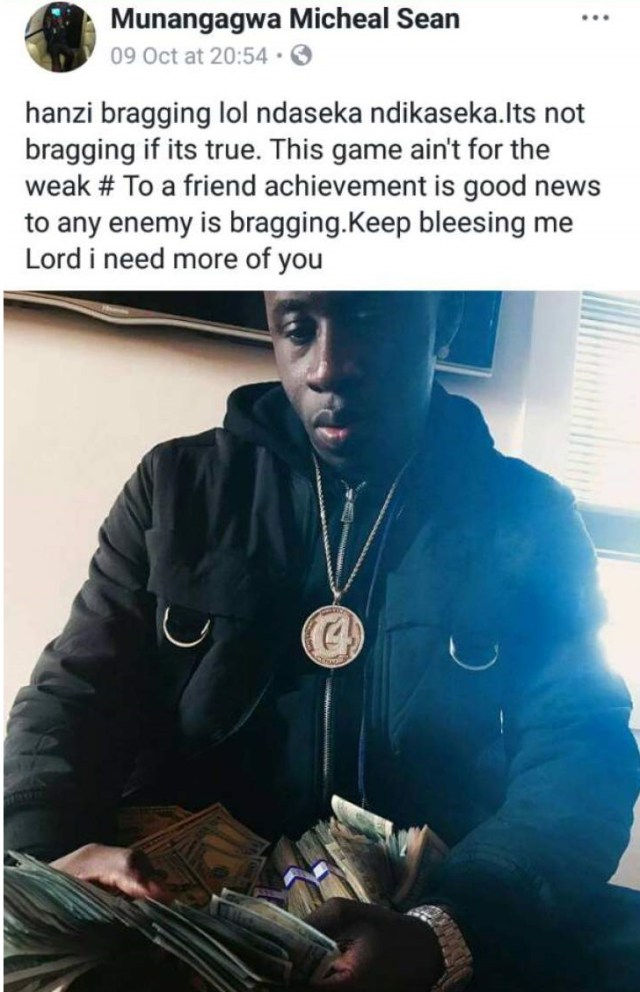
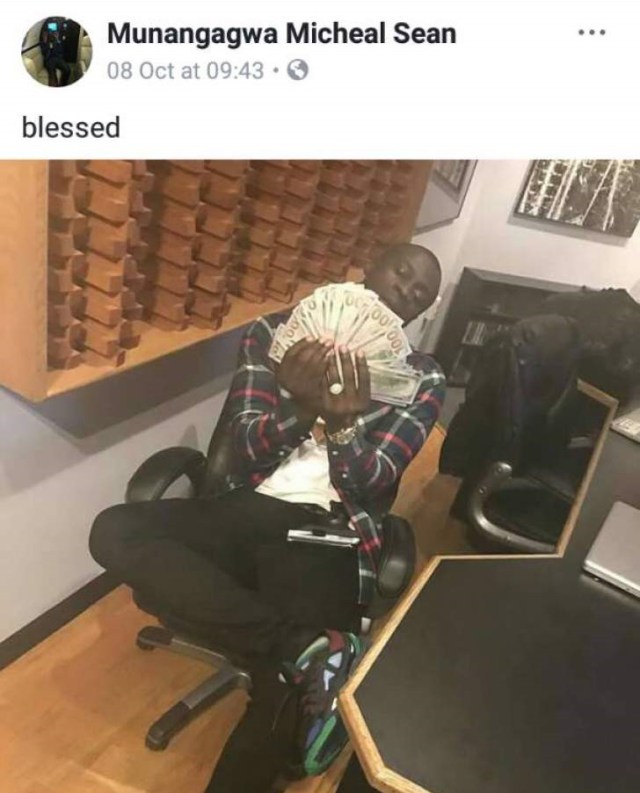
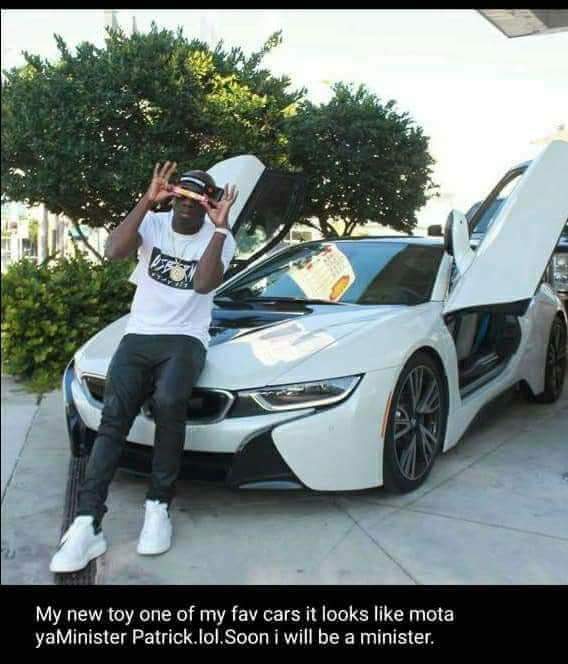
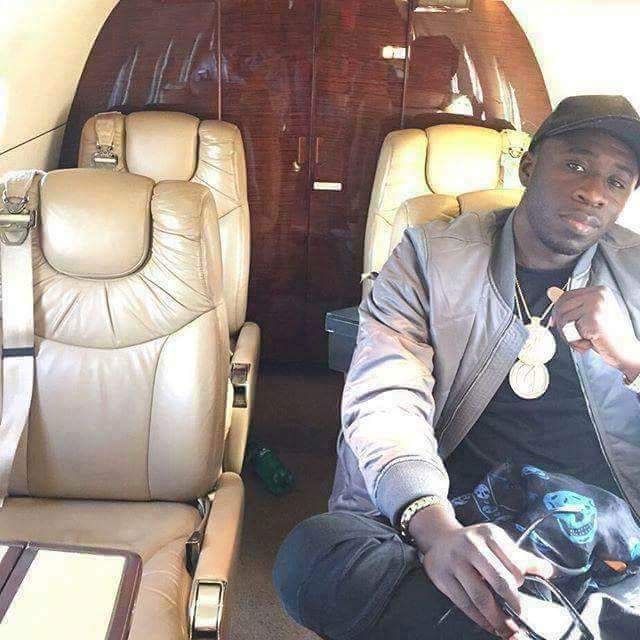
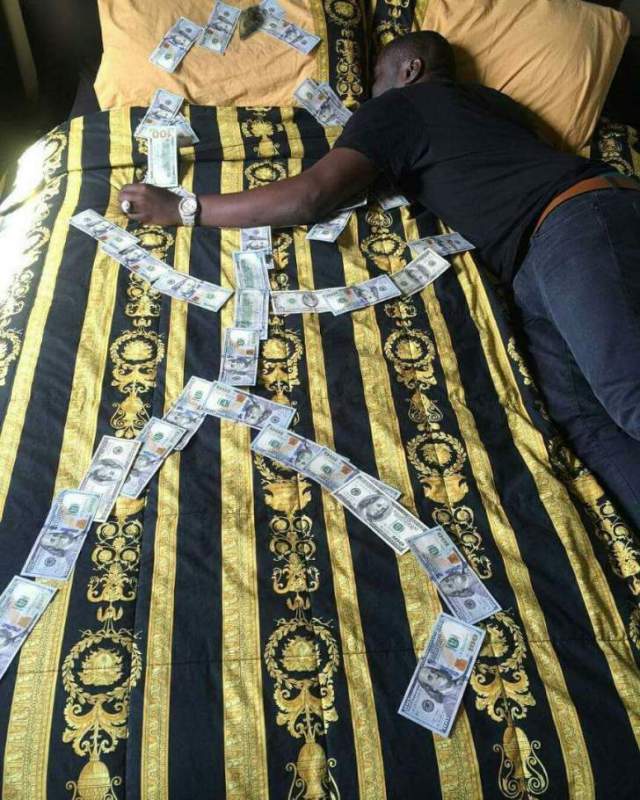
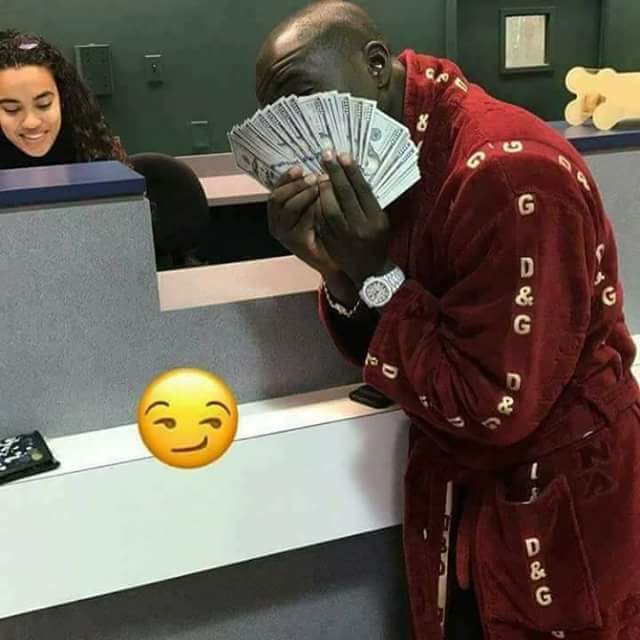
Caught on Social Media: Son of Incoming President of Zimbabwe Caught Flaunting Cash, Luxury Car

 Many people have been left worried after photos appeared on social media showing son of incoming President of Zimbabwe flaunting wealth.

Michael Sean Mnangagwa
 
It obviously looks like Zimbabweans have exchanged a bad President for another one, after photos of Michael Sean Mnangagwa, the son of Zimbabwe's former Vice President, Emmerson Mnangagwa, who will be sworn in as president following the resignation of Robert Mugabe on Tuesday appeared on social media showing him flaunting wealth.
 
According to LIB, the photos which appeared on social media have raised eyebrows.
 
 
Mnangagwa is known to be an ally of Mugabe and was instrumental in all the years of decay that happened in the country. Many people have frowned at the photos of his son flaunting wealth believed to be money stolen from his country.


When News Breaks Out, We Break In. (The 2014 Bloggies Finalist)

Robert Mugabe To Attend Emmerson Mnangagwa's Inauguration Tomorrow

The erstwhile president of the Republic of Zimbabwe, Robert Mugabe, is set to attend the inauguration ceremony of Emmerson Mnangagwa.

Robert Mugabe
 
Former Zimbabwean president, Robert Mugabe is expected at tomorrow's inauguration of the new Zimbabwean president, Emmerson Mnangagwa.
 
BBC reports that this was made known by the state broadcaster ZBC TV.
 
Preparations are under way at the National Sports Stadium in the capital Harare where the event is to be held.
 
Diplomatic correspondent Judith Makwanya said the outgoing head of state is expected to inspect the parade to say goodbye while the incoming head of state will introduce himself to the parade.


When News Breaks Out, We Break In. (The 2014 Bloggies Finalist)

Robert Mugabe To Attend Emmerson Mnangagwa's Inauguration Tomorrow

The erstwhile president of the Republic of Zimbabwe, Robert Mugabe, is set to attend the inauguration ceremony of Emmerson Mnangagwa.

Robert Mugabe
 
Former Zimbabwean president, Robert Mugabe is expected at tomorrow's inauguration of the new Zimbabwean president, Emmerson Mnangagwa.
 
BBC reports that this was made known by the state broadcaster ZBC TV.
 
Preparations are under way at the National Sports Stadium in the capital Harare where the event is to be held.
 
Diplomatic correspondent Judith Makwanya said the outgoing head of state is expected to inspect the parade to say goodbye while the incoming head of state will introduce himself to the parade.


When News Breaks Out, We Break In. (The 2014 Bloggies Finalist)
Robert Mugabe To Attend Emmerson Mnangagwa's Inauguration Tomorrow

The erstwhile president of the Republic of Zimbabwe, Robert Mugabe, is set to attend the inauguration ceremony of Emmerson Mnangagwa.

Robert Mugabe
 
Former Zimbabwean president, Robert Mugabe is expected at tomorrow's inauguration of the new Zimbabwean president, Emmerson Mnangagwa.
 
BBC reports that this was made known by the state broadcaster ZBC TV.
 
Preparations are under way at the National Sports Stadium in the capital Harare where the event is to be held.
 
Diplomatic correspondent Judith Makwanya said the outgoing head of state is expected to inspect the parade to say goodbye while the incoming head of state will introduce himself to the parade.


When News Breaks Out, We Break In. (The 2014 Bloggies Finalist)
Robert Mugabe To Attend Emmerson Mnangagwa's Inauguration Tomorrow

The erstwhile president of the Republic of Zimbabwe, Robert Mugabe, is set to attend the inauguration ceremony of Emmerson Mnangagwa.

Robert Mugabe
 
Former Zimbabwean president, Robert Mugabe is expected at tomorrow's inauguration of the new Zimbabwean president, Emmerson Mnangagwa.
 
BBC reports that this was made known by the state broadcaster ZBC TV.
 
Preparations are under way at the National Sports Stadium in the capital Harare where the event is to be held.
 
Diplomatic correspondent Judith Makwanya said the outgoing head of state is expected to inspect the parade to say goodbye while the incoming head of state will introduce himself to the parade.


When News Breaks Out, We Break In. (The 2014 Bloggies Finalist)
Robert Mugabe To Attend Emmerson Mnangagwa's Inauguration Tomorrow

The erstwhile president of the Republic of Zimbabwe, Robert Mugabe, is set to attend the inauguration ceremony of Emmerson Mnangagwa.

Robert Mugabe
 
Former Zimbabwean president, Robert Mugabe is expected at tomorrow's inauguration of the new Zimbabwean president, Emmerson Mnangagwa.
 
BBC reports that this was made known by the state broadcaster ZBC TV.
 
Preparations are under way at the National Sports Stadium in the capital Harare where the event is to be held.
 
Diplomatic correspondent Judith Makwanya said the outgoing head of state is expected to inspect the parade to say goodbye while the incoming head of state will introduce himself to the parade.


When News Breaks Out, We Break In. (The 2014 Bloggies Finalist)
Robert Mugabe To Attend Emmerson Mnangagwa's Inauguration Tomorrow

The erstwhile president of the Republic of Zimbabwe, Robert Mugabe, is set to attend the inauguration ceremony of Emmerson Mnangagwa.

Robert Mugabe
 
Former Zimbabwean president, Robert Mugabe is expected at tomorrow's inauguration of the new Zimbabwean president, Emmerson Mnangagwa.
 
BBC reports that this was made known by the state broadcaster ZBC TV.
 
Preparations are under way at the National Sports Stadium in the capital Harare where the event is to be held.
 
Diplomatic correspondent Judith Makwanya said the outgoing head of state is expected to inspect the parade to say goodbye while the incoming head of state will introduce himself to the parade.


When News Breaks Out, We Break In. (The 2014 Bloggies Finalist)
Robert Mugabe To Attend Emmerson Mnangagwa's Inauguration Tomorrow

The erstwhile president of the Republic of Zimbabwe, Robert Mugabe, is set to attend the inauguration ceremony of Emmerson Mnangagwa.

Robert Mugabe
 
Former Zimbabwean president, Robert Mugabe is expected at tomorrow's inauguration of the new Zimbabwean president, Emmerson Mnangagwa.
 
BBC reports that this was made known by the state broadcaster ZBC TV.
 
Preparations are under way at the National Sports Stadium in the capital Harare where the event is to be held.
 
Diplomatic correspondent Judith Makwanya said the outgoing head of state is expected to inspect the parade to say goodbye while the incoming head of state will introduce himself to the parade.


When News Breaks Out, We Break In. (The 2014 Bloggies Finalist)
How To Detect If Someone Is Lying To You


If you have been looking for the surefire ways to tell if someone is lying to you or not, then these are the tips you need to consider.
File photo
 
Some people can be masters of deceit, but this is how you can spot a big fat fibber.
A man who has been dubbed the “human lie detector” reveals exactly how to rumble a liar.
 
You may think you’re adept at spotting a faker, but apparently a lot of the usual tells are actually myths.
New research reveals that 89% of Brits believe they know the top giveaways, with a lack of eye contact claiming the top spot (64%), followed by delayed responses (50%) and a change of tone (40%).
Men and women also suspected behaviours such as fidgeting, sweating, scratching your nose and covering your mouth when speaking as surefire signs that someone is lying.
However deception detection expert Darren Stanton said these clues are not as clear cut as they may seem.
He said: “While most of us think we can spot a liar many of the classic tells are unreliable.
“Liars and especially those with a hidden agenda, find it very easy to look others in the eye.
“Fidgeting is another myth, if someone is trying to sell you a lie, watch for an unusual level of stillness in their behaviour.”
But the psychologist and body language expert shared his top tips for exposing the truth.
 
Darren said: “Change of tone however, is a good indicator.
“The voice may go up in pitch or even crack.
“Also look for scratching of the nose, back of the neck, or even picking invisible fluff from their clothes – all distraction techniques.
“In younger people, covering the mouth is often a sign of lying, it’s a gesture that’s saying: ‘I wish I didn’t say that.’”
The study was commissioned to mark the launch of the PlayStation 4 PlayLink exclusive Hidden Agenda.
 
Top three ways to tell if someone is lying to you:
 
1. Change of tone in their voice
 
2. Scratching their nose, neck or picking fluff from clothes
 
3. Covering the mouth
 
***


When News Breaks Out, We Break In. (The 2014 Bloggies Finalist)
Tuesday, November 21, 2017

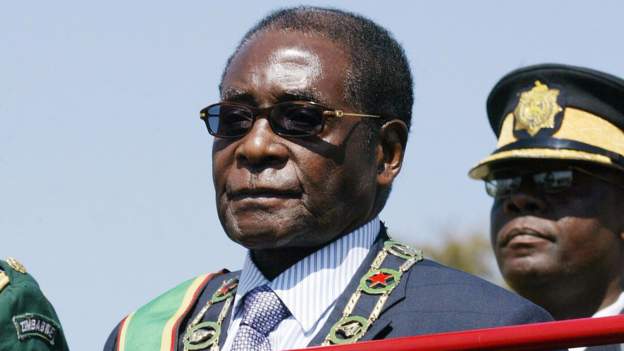
Meet the Man Who Will Take Over From Robert Mugabe

 The man to take over from ousted President Robert Mugabe of Zimbabwe has been revealed.

Zimbabwe's fired vice president Emmerson Mnangagwa is seen at the Heroes Acre in Harare in this Wednesday, Nov., 1, 2017 photo. (AP Photo/Tsvangirayi Mukwazhi)
 
A Zimbabwe ruling party official tells The Associated Press that recently fired Vice President Emmerson Mnangagwa will take over as the country's leader within 48 hours after President Robert Mugabe resigned.
 
Ruling party chief whip Lovemore Matuke says Mnangagwa, who fled the country after his firing, "is not far from here."
 
The official spoke to the AP immediately after the Parliament speaker announced Mugabe's immediate resignation during impeachment proceedings.
 
Matuke says they look forward to Mugabe doing the handover of power "so that Mnangagwa moves with speed to work for the country."
 
Earlier, Zimbabwe's Parliament erupted in cheers as the speaker announced the resignation of the elderly statesman.
 
The speaker stopped impeachment proceedings to say they had received a letter from Mugabe with the resignation "with immediate effect."
 
It is an extraordinary end for the world's oldest head of state after 37 years in power.
 
-AP


When News Breaks Out, We Break In. (The 2014 Bloggies Finalist)
Forbe Ranking: See the List of the 2017 Highest Paid Women in Music

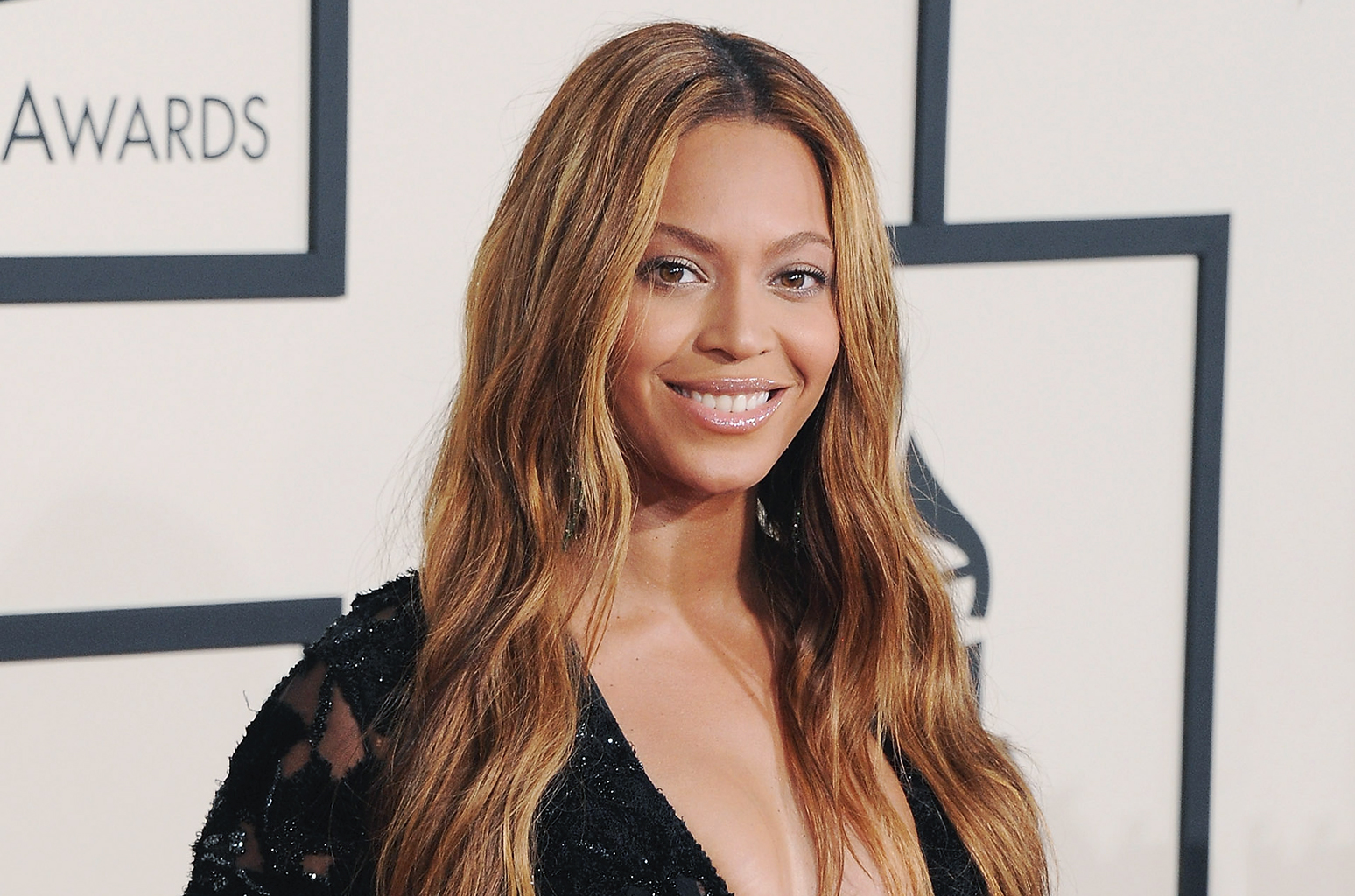
Beyonce has been declared as the 2017 highest paid woman in music after raking in a whopping $105 million this year.

Beyonce is the 2017 highest paid woman in music
 
Shortly after Adele took home the Grammy award for Album of the Year in February, she broke it in half--with the intention of physically sharing it with Beyoncé, the internet concluded—in recognition of the latter's Lemonade. But Queen Bey won an even more valuable distinction outright: she's this year's highest-paid woman in music, pulling in a whopping $105 million pretax.
 
Lemonade was a hit with both critics and fans, giving Beyoncé her sixth solo No. 1. The ensuing Formation World Tour, much of it falling into our list's scoring period, grossed a quarter of a billion dollars. Then she took time off as she and husband Jay-Z welcomed twins Rumi and Sir this summer. Adele finished second, earning $69 million, boosted by seven-figure nightly grosses on her first proper tour since 2011.

"Adele’s music appeals to listeners of all ages all over the world with her undeniably powerful, emotional vocal interpretations paired with timeless songwriting and production," says multiplatinum singer-songwriter Skylar Grey. "No matter what genre someone generally subscribes to, it’s hard to find a music lover who doesn’t appreciate what she does."
 
In order to form our list, we looked at pretax income from June 1, 2016 through June 1, 2017, and did not take out fees charged by agents, managers and lawyers. We gathered data from Nielsen SoundScan, Pollstar, the RIAA and interviews with industry insiders. The two mononymous stars both earned tens of millions more than the rest of the pack, but there are plenty of notable names further down the list.
 
Taylor Swift raked in $44 million to claim the No. 3 spot, representing a significant dip from the peak of her 1989 Tour. With the release of new alum Reputation—already the best-selling album of 2017—which came after the end of this list’s scoring period, look for her earnings total to rise significantly in next year’s accounting.
 
Celine Dion ranks fourth with $42 million, resuming a lucrative Las Vegas residency last February after going on hiatus in the wake of her husband’s January 2016 death. Jennifer Lopez rounds out the top five with $38 million, also boosted by a standing Sin City gig, as well as new show World of Dance, where she serves as both judge and producer.
 
The rest of the list proves that age is just a number: 71-year-old Dolly Parton (No. 6, $37 million) still tours with the rigor of stars half her age, grossing mid-six figures per city across 63 dates during our scoring period; Barbra Streisand (No. 10, $30 million) remains a huge draw even at 75, selling $46 million worth of tickets on her 14-show stint last year. Next up: Netflix special Barbra: The Music…The Mem’ries…The Magic!
 
Earning double-digit millions does not guarantee a spot on this vaunted list—as near misses Madonna, Lady Gaga, Selena Gomez and Ariana Grande can attest. The first two names should be back in the running the next time they go on tour; the latter two could be, too, as their careers continue to progress.
 
Despite the success of the female stars on the list, there are regrettably still more than twice as many men than women among music's top-earning stars. Acts like the ninth-highest-paid woman, Katy Perry--who earned millions from endorsement deals with the likes of CoverGirl, Claire's and H&M--are doing their best to change that.

"I am proud of my position as a boss, as a person that runs my own company," she told Forbes. "I'm an entrepreneur. ... I don't want to shy away from it. I actually want to kind of grab it by its balls."
 
As for Adele's Grammy? Sorry, folks--it seems she broke it in half by accident.
 
See list of top 10 highest paid women in music
 
1. Beyonce $105 million
2. Adele $69 million
3. Taylor Swift $44 million
4. Celine Dion $42 million
5. Jennifer Lopez $38 million
6. Dolly Parton $37 million
7. Rihanna $36 million
8. Britney Spears $34 million
9. Katy Perry $33 million
10. Barbra Streisand $30 million


When News Breaks Out, We Break In. (The 2014 Bloggies Finalist)

End of Mugabe Era


The fate of President Robert Mugabe will be decided today as the Zimbabwean parliament meets to consider his impeachment proceedings.
President Robert Mugabe


President Robert Mugabe has reached his worst political situation in 37 years as the leader of Zimbabwe; as the two chambers of parliaments began impeachment proceedings against him.
 This is the first time such move is taking place in the Southern African country.
According to CNN, a joint sitting of the Senate and National Assembly took the bold step to ask for Mugabe to resign.
The ruling party, ZANU-PF, had plans to table a motion that will begin the process of formally removing the president who has been clinging on to the presidency despite a military takeover last week.
 ZANU-PF, which Mugabe co-founded and led for decades, ousted the 93-year-old leader as their party chief on Sunday and gave him an ultimatum to step down in 24 hours or face impeachment.
 The former vice president, Emmerson Mnangagwa, is said to have joined those calling for Mugabe to step down, in his first comments since the President fired him on November 6, triggering the political firestorm.
 Mugabe called a cabinet meeting for Tuesday morning, but most members didn’t show up, state media reported, in a further indication that his authority was ebbing away.
 The party had set a deadline for midday Monday for Mugabe to resign or face impeachment.
 The former vice president’s statement offered no clues about his location. Mnangagwa was named as ZANU-PF’s new party chief on Sunday, paving the way for him to contest the 2018 presidential elections.

-NAN


When News Breaks Out, We Break In. (The 2014 Bloggies Finalist)
Robert Mugabe Finally Resigns as President of Zimbabwe

After 37 years in power, President Robert Mugabe of Zimbabwe has voluntarily resigned his position.
President Robert Mugabe has finally resigned


Robert Mugabe has resigned as president of Zimbabwe with immediate effect after 37 years in power, the speaker of the country’s parliament has said.
Mugabe took the step after the parliament commenced proceedings for his impeachment today.
A letter submitted to parliament by the 93-year-old said his decision to resign was voluntary on his part. According to Guardian UK, wild jubilation broke out among MPs when Jacob Mudenda, the speaker, told the parliament.
Impeachment proceedings against Mugabe began earlier on Tuesday as the ruling party, Zanu-PF, attempted to remove him from office.
Thousands of Zimbabweans had also turned up outside parliament to urge on MPs, chanting, dancing and waving placards in Africa Unity square
Shortly before legislators met, the man expected to succeed him broke more than a week of silence to add his voice to those calling for the ageing leader to step down 
Emmerson Mnangagwa, until recently Mugabe’s vice-president and right hand man, urged the nonagenarian leader to “accept the will of the people”.
Mugabe has been under house arrest and key allies of his wife, Grace, removed from power since the military took charge last week.
The ruling Zanu-PF party, which at the weekend voted to make Mnangagwa its leader and demote Mugabe to a rank-and-file member, introduced the motion to impeach and the opposition seconded it.


When News Breaks Out, We Break In. (The 2014 Bloggies Finalist)

Friday, November 17, 2017

Robert Mugabe And His Luxury-Loving Family Revealed

When embattled Zimbabwean President Robert Mugabe assumed office as the country’s Prime Minister in April 1980, one of the first things he did was to create a government of national unity.
With this single action, Zimbabwe became the beneficiary of much aid from generous Western countries, whose governments believed that he was going to position the country to help to facilitate the then Apartheid South Africa’s  transition from minority rule to a proper democracy.
At the outset, Mugabe’s government operated within a capitalist framework and focused on wooing foreign investors. The result is that between 1980 and 1990, the Zimbabwean economy grew by an average of 2.7 per cent a year. This was considered a welcome development by those who genuinely looked forward to the advancement of the country.
Unfortunately, an unprecedented growth in the population of the country and a corresponding rise in the unemployment rate, as well as a persistent declaration of a budget deficit by the government, soon made nonsense of any form of economic growth.
Still, during Mugabe’s tenure as Prime Minister, Zimbaweans witnessed significant increases in government spending on education and healthcare. Between 1980 and 2000, for example, the number of secondary schools in the country rose from 177 to 1,548. During that period, the adult literacy rate rose from 62 per cent to 82 per cent.
In spite of these heartwarming strides, Mugabe was unable to deal with the worsening relationship between his government and the minority white population, which repeatedly accused him of racial discrimination.

Ugly human rights record
Also, for the greater part of his tenure, Mugabe’s government was accused of having one of the worst human rights records in Africa. And there seems to be ample evidence to justify this.
There were allegations that Mugabe ordered the country’s military, especially the dreaded Fifth Brigade, an elite force trained by North Koreans, to crack down on dissidents in Matabeleland with such great force that shocked the global community in the 1980s.
The Fifth Brigade, according to independent reports, were deployed in the region in 1983 with a mandate to arrest, torture and execute those accused of being sympathetic to the dissidents. The Brigade was also authorised to destroy valuable property belonging to the accused and to carry out extra-judicial killings.
The scale of the violence recorded during the Zimbabwean military’s genocidal campaign in Matabeleland was described as greater than what the country witnessed in the Rhodesian War.  Indeed, over the course of four years, about10,000 civilians had lost their lives to these butchers. Genocide Watch later estimated that more than 20,000 were killed. 
There were also widespread reports of journalists being arrested and tortured by the military.
During the 2013 election campaign, reports had it that members of the opposition Movement for Democratic Change were often harassed by the police and Army. In some cases, it was alleged, they were killed. The Zimbabwe Human Rights Forum documented about 27 murders, 27 rapes, 2,466 assaults and 617 abductions, with 10,000 people displaced by violence. It was also alleged that most of these actions were carried out by supporters of Mugabe’s Zimbabwe African National Union-Patriotic Front.
When in February 2000 armed gangs attacked and occupied white-owned farms, Mugabe’s government claimed that the attacks were a spontaneous uprising against white land owners, although it was an open secret that the same government had paid Z$20 million to Chenjerai Hunzvi’s War Veterans Association to lead the land invasion campaign. Eye witness accounts had insisted that ZANU-PF officials, the police and army facilitated the attacks.

Absolute power
In  1987, the Zimbabwean parliament amended the country’s constitution and declared Mugabe as executive President. This position gave him the power to dissolve parliament, declare martial law and run for an unlimited number of terms. The constitutional amendments, additional reports claimed, also abolished the 20 parliamentary seats reserved for white representatives and left parliament less relevant and independent.

Progressive economic decline
Zimbabwe’s economy gradually deteriorated in the 1990s. By 2000, the standard of living had seriously declined. Life expectancy was very low and unemployment had trebled. By 1998, unemployment was almost at 50 per cent. As of 2009, between to 3 and 4 million Zimbabweans had left the country in search of jobs.

Election rigging
In the 2013 general elections, Mugabe’s ZANU-PF won a landslide victory, with 61 per cent of the presidential vote and over two-thirds of the parliamentary seats going to the party. But the elections were not considered free and fair by global monitoring agencies. There were widespread allegations of rigging.
While he sat at the helm of the country’s affairs, Mugabe was regarded and almost worshipped as a demi-god within the ZANU-PF. Many feared him and not one person dared challenge him. It was believed that he derived his support mostly from the  Shona-dominated regions of Mashonaland, Manicaland and Masvingo, while he remained far less popular in the non-Shona areas of Matabeleland and Bulawayo and among Zimbabweans in the Diaspora.

Grace Mugabe
After the death of his first wife, Sally Hayfron in 1992, Robert Mugabe married his secretary, Grace Marufu, who was 41 years younger, in 1996, and earlier married to Stanley Goreraza, with whom she had a son, Russell Goreraza.  As secretary to the Mugabe then, she became his mistress while still married to Goreraza and together with  Mugabe they had two children, Bona, named after Mugabe’s mother, and Robert Peter, Jr. “The couple were married in an extravagant Catholic Mass, titled the ‘Wedding of the Century,” the Zimbabwe press had said.
In 1997, Grace Mugabe gave birth to the couple’s third child, Chatunga Mugab.
 As the First Lady of Zimbabwe, Grace gained a reputation for indulging her love of luxury, with a particular interest in shopping, clothes and jewellery. These lavish shopping sprees earned her the nickname, ‘Gucci Grace’.
Among other controversies, there was an outcry when Grace Mugabe was given a doctoral degree in sociology in September 2014 from the University of Zimbabwe, two months after entering the programme. She was awarded the degree by her husband and University Chancellor Robert Mugabe. Her doctoral thesis is not available in the university archive and she has faced calls to return her PhD. This caused backlash in the Zimbabwean academic community, with some commenting that this could harm the reputation of the university
Even before Tuesday night’s dramatic events, which could yet mark the end of her  rags-to-riches story, 2017 had not been a great year for  her. Zimbabweans and their neighbours in South Africa have not forgotten the extraordinary incident in which she allegedly assaulted a young model in Johannesburg and needed diplomatic immunity to avoid an embarrassing court case.
Also, they are not likely to forget that Grace had a bitter feud with Vice President  Emerson Mangagwa, which resulted in her denying that she plotted to poison  him. Then there was the decline in both the Zimbabwean economy and her own personal popularity ratings. The two may be connected, given that her detractors like to refer to her as the “First Shopper”.
Grace Mugabe’s political ambition may have been as much about self-preservation as an instinct to lead. She has two sons and a daughter with the 93-year-old President.
On Wednesday morning, it was reported that Mrs. Mugabe, who is believed to have developed a reputation for corruption, was in Namibia on business as her husband remained detained at home in Harare.

Mugabe’s luxury-loving children
Mugabe’s son, Robert Mugabe Junior, and his younger brother, Bellarmine, are known for posting their lavish lifestyle on social media, which has drawn accusations from critics on social media that they are wasting Zimbabwean taxpayers’ money.
Another of Mugabe’s children who often stirred up controversy is Bona. Her educational adventures in Hong Kong, for instance, raised dust, especially when some people demanded her return to Zimbabwe, to experience the same educational system that others were experiencing.
An online account quoted The Times as reporting that on January 18, 2009, “while on a shopping trip in Hong Kong, where her daughter Bona Mugabe was a university student, Mugabe ordered her bodyguard to assault a Sunday Times photographer Richard Jones outside her luxury hotel. She then joined in the attack, punching Jones repeatedly in the face while wearing diamond-encrusted rings, causing him cuts and abrasions. She was subsequently granted immunity from prosecution ‘under Chinese diplomatic rules’ because of her status as Mugabe’s wife.”

Mugabe’s famous quotes
“I’ve just concluded — since President Obama endorses same-sex marriage, advocates homosexual people, and enjoys an attractive countenance — thus if it becomes necessary, I shall travel to Washington, DC, get down on my knee, and ask his hand.” — ZDC radio interview, 2015

On homosexuality
“We ask, was he born out of homosexuality? We need continuity in our race, and that comes from the woman, and no to homosexuality. John and John, no; Maria and Maria, no. They are worse than dogs and pigs. I keep pigs and the male pig knows the female one.” — ZDC radio interview, 2015
“We equally reject attempts to prescribe ‘new rights’ that are contrary to our values, norms, traditions, and beliefs. We are not gays!” — UNGA, 2015

On Hitler
“I am still the Hitler of the time. This Hitler has only one objective: justice for his people, sovereignty for his people, recognition of the independence of his people and their rights over their resources. If that is Hitler, then let me be Hitler tenfold. Ten times, that is what we stand for.” — State funeral of a Cabinet minister, 2003

On grooming a successor
“Grooming a successor, is it an inheritance? In a democratic party, you don’t want leaders appointed that way. They have to be appointed properly by the people.” – TV interview, 2016

On the economy
“Our economy is a hundred times better, than the average African economy. Outside South Africa, what country is [as good as] Zimbabwe? … What is lacking now are goods on the shelves – that is all.” — Interview, 2007


When News Breaks Out, We Break In. (The 2014 Bloggies Finalist)

Thursday, November 16, 2017

Russia 2018: See the 32 Teams that Have Qualified


A list of the 32 teams that have qualified for the 2018 FIFA World Cup in Russia have been revealed as Peru clinched the last qualification ticket.
Joyous Peru players: now bound for Russia World Cup
 
Peru became the last country to secure qualification for the 2018 World Cup in Russia by beating New Zealand yesterday night. 
 
Here is a list of the 32 countries to play in the World Cup 2018
 
1. Russia: The hosts qualified when they won the chance to host the competition back in Dec 2010.
 
2. Brazil: CONMEBOL round robin winners, qualified way back on March 28, 2017
 
3. Iran: AFC third round group A winners
 
4. Japan: AFC third round group B winners
 
5. South Korea: Runners-up to Iran in Group A
 
6. Saudi Arabia: Runners-up in Group B
 
7. Mexico: North and central America and Caribbean round 5 winners
 
8. Belgium: Uefa group H winners (first European team) to qualified on Sept 3
 
9. Germany: Sealed their place as Group C winners after beating Northern Ireland 3-1 in Belfast
 
10. England: Gareth Southgate's side beat Slovenia at Wembley to secure their spot in Russia as winners of Group F
 
11. Poland: Poland became to fourth European team to qualify having dropped points in just two games in Group E
 
12. Costa Rica: Reached their fourth World Cup finals with a game remaining from their CONCACAF qualification group
 
13. Nigeria: Became the first side from Africa to reach Russia and have now missed just one tournament – Germany 2006 – since first qualifying 1994
 
14. Egypt: Mohamed Salah scored twice to send the north Africans into their first finals since 1990
 
15. Iceland: Have qualified for their first ever World Cup, pipping Croatia to a guaranteed place in Russia
 
16. Serbia: Winners of Group D
 
17. Spain: The 2010 champions qualified as Group G winners finishing five points ahead of Italy
 
18. France: Qualified as winners of Group A
 
19. Portugal: Beat Switzerland in their final qualification game to reach next summer's finals
 
20. Panama: Reached their first World Cup after beating Costa Rica in the final group game of their qualification campaign
 
21. Argentina: Lionel Messi scored a hat-trick in his side's final qualification game to secure their place in the finals
 
22. Uruguay: Finished second to Brazil in their group to secure their place in the finals
 
23. Colombia: Took the fourth and final automatic qualification spot in the South American group 
 
24. Senegal: CAF Group D winners
 
25. Morocco: CAF Group C winners
 
26. Tunisia: CAF Group A winners
 
27. Switzerland: Won two-leg play-off with Northern Ireland
 
28. Croatia: Won two-leg play-off with Greece
 
29. Sweden: Won two-leg play-off with Italy
 
30. Denmark - Won two-leg play-off with Republic of Ireland
 
31. Australia - Defeated Honduras in a two-leg play-off
 
32. Peru - Secured last place with victory over New Zealand in two-leg play-off


When News Breaks Out, We Break In. (The 2014 Bloggies Finalist)