ads

Friday, February 5, 2016

#WorldCancerDay: All You Need to Know About Early Warning Signs of Cancer

 It is world cancer day! Here are tips to keep you safe that could very much save your life in the future if you read and follow accordingly.
 
What are signs and symptoms?
 
Signs and symptoms are both signals of injury, illness, disease – signals that something is not right in the body.
A sign is a signal that can be seen by someone else – maybe a loved one, or a doctor, nurse, or other health care professional. For example, fever, fast breathing, and abnormal lung sounds heard through a stethoscope may be signs of pneumonia.
A symptom is a signal that’s felt or noticed by the person who has it, but may not be easily seen by anyone else. For example, weakness, aching, and feeling short of breath may be symptoms of pneumonia.
Having one sign or symptom may not be enough to figure out what’s causing it. For example, a rash in a child could be a sign of a number of things, such as poison ivy, measles, a skin infection, or a food allergy. But if the child has the rash along with other signs and symptoms like a high fever, chills, achiness, and a sore throat, then a doctor can get a better picture of the illness. Sometimes, a patient’s signs and symptoms still don’t give the doctor enough clues to be sure what’s causing the illness. Then medical tests, such as x-rays, blood tests, or a biopsy may be needed.
 
How does cancer cause signs and symptoms?
Cancer is a group of diseases that can cause almost any sign or symptom. The signs and symptoms will depend on where the cancer is, how big it is, and how much it affects the organs or tissues. If a cancer has spread (metastasized), signs or symptoms may appear in different parts of the body.
As a cancer grows, it can begin to push on nearby organs, blood vessels, and nerves. This pressure causes some of the signs and symptoms of cancer. If the cancer is in a critical area, such as certain parts of the brain, even the smallest tumor can cause symptoms.
But sometimes cancer starts in places where it won’t cause any signs or symptoms until it has grown quite large. Cancers of the pancreas, for example, usually don’t cause symptoms until they grow large enough to press on nearby nerves or organs (this causes back or belly pain). Others may grow around the bile duct and block the flow of bile. This causes the eyes and skin to look yellow (jaundice). By the time a pancreatic cancer causes signs or symptoms like these, it’s usually in an advanced stage. This means it has grown and spread beyond the place it started – the pancreas.
A cancer may also cause symptoms like fever, extreme tiredness (fatigue), or weight loss. This may be because cancer cells use up much of the body’s energy supply, or they may release substances that change the way the body makes energy from food. Cancer can also cause the immune system to react in ways that produce these signs and symptoms.
 
Sometimes, cancer cells release substances into the bloodstream that cause symptoms that are not usually linked to cancer. For example, some cancers of the pancreas can release substances that cause blood clots in veins of the legs. Some lung cancers make hormone-like substances that raise blood calcium levels. This affects nerves and muscles, making the person feel weak and dizzy.
 
How are signs and symptoms helpful?
 
Treatment works best when cancer is found early – while it’s still small and is less likely to have spread to other parts of the body. This often means a better chance for a cure, especially if the cancer can be removed with surgery.
A good example of the importance of finding cancer early is melanoma skin cancer. It can be easy to remove if it has not grown deep into the skin. The 5-year survival rate (percentage of people who live at least 5 years after diagnosis) at this early stage is around 98%. Once melanoma has spread to other parts of the body, the 5-year survival rate drops to about 16%.
Sometimes people ignore symptoms. Maybe they don’t know that the symptoms could mean something is wrong. Or they might be frightened by what the symptoms could mean and don’t want to get medical help. Maybe they just can’t afford to get medical care.
Some symptoms, such as tiredness or coughing, are more likely caused by something other than cancer. Symptoms can seem unimportant, especially if there’s a clear cause or the problem only lasts a short time. In the same way, a person may reason that a symptom like a breast lump is probably a cyst that will go away by itself. But no symptom should be ignored or overlooked, especially if it has lasted a long time or is getting worse.
Most likely, symptoms are not caused by cancer, but it’s important to have them checked out, just in case. If cancer is not the cause, a doctor can help figure out what the cause is and treat it, if needed.
Sometimes, it’s possible to find cancer before having symptoms. The American Cancer Society and other health groups recommend cancer-related check-ups and certain tests for people even though they have no symptoms. This helps find certain cancers early, before symptoms start. For more information on early detection tests, see our document called American Cancer Society Guidelines for the Early Detection of Cancer. But keep in mind, even if you have these recommended tests, it’s still important to see a doctor if you have any symptoms.
 
What are some general signs and symptoms of cancer?
You should know some of the general signs and symptoms of cancer. But remember, having any of these does not mean that you have cancer – many other things cause these signs and symptoms, too. If you have any of these symptoms and they last for a long time or get worse, please see a doctor to find out what’s going on.
 
Unexplained weight loss
 
Most people with cancer will lose weight at some point. When you lose weight for no known reason, it’s called an unexplained weight loss. An unexplained weight loss of 10 pounds or more may be the first sign of cancer. This happens most often with cancers of the pancreas, stomach, esophagus (swallowing tube), or lung.
 
Fever
 
Fever is very common with cancer, but it more often happens after cancer has spread from where it started. Almost all people with cancer will have fever at some time, especially if the cancer or its treatment affects the immune system. (This can make it harder for the body to fight infection.) Less often, fever may be an early sign of cancer, such as blood cancers like leukemia or lymphoma.
 
Fatigue
 
Fatigue is extreme tiredness that doesn’t get better with rest. It may be an important symptom as cancer grows. But it may happen early in some cancers, like leukemia. Some colon or stomach cancers can cause blood loss that’s not obvious. This is another way cancer can cause fatigue.
 
Pain
 
Pain may be an early symptom with some cancers like bone cancers or testicular cancer. A headache that does not go away or get better with treatment may be a symptom of a brain tumor. Back pain can be a symptom of cancer of the colon, rectum, or ovary. Most often, pain due to cancer means it has already spread (metastasized) from where it started.
 
Skin changes
 
Along with skin cancers, some other cancers can cause skin changes that can be seen. These signs and symptoms include:
  • Darker looking skin (hyperpigmentation)
  • Yellowish skin and eyes (jaundice)
  • Reddened skin (erythema)
  • Itching (pruritis)
  • Excessive hair growth
  • Signs and symptoms of certain cancers
Along with the general symptoms, you should watch for certain other common signs and symptoms that could suggest cancer. Again, there may be other causes for each of these, but it’s important to see a doctor about them as soon as possible – especially if there’s no other cause you can identify, the problem lasts a long time, or it gets worse over time.
 
Change in bowel habits or bladder function
 
Long-term constipation, diarrhea, or a change in the size of the stool may be a sign of colon cancer. Pain when passing urine, blood in the urine, or a change in bladder function (such as needing to pass urine more or less often than usual) could be related to bladder or prostate cancer. Report any changes in bladder or bowel function to a doctor.
 
Sores that do not heal
 
Skin cancers may bleed and look like sores that don’t heal. A long-lasting sore in the mouth could be an oral cancer. This should be dealt with right away, especially in people who smoke, chew tobacco, or often drink alcohol. Sores on the penis or vagina may either be signs of infection or an early cancer, and should be seen by a health professional.
 
White patches inside the mouth or white spots on the tongue
 
White patches inside the mouth and white spots on the tongue may be leukoplakia. Leukoplakia is a pre-cancerous area that’s caused by frequent irritation. It’s often caused by smoking or other tobacco use. People who smoke pipes or use oral or spit tobacco are at high risk for leukoplakia. If it’s not treated, leukoplakia can become mouth cancer. Any long-lasting mouth changes should be checked by a doctor or dentist right away.
 
Unusual bleeding or discharge
 
Unusual bleeding can happen in early or advanced cancer. Coughing up blood may be a sign of lung cancer. Blood in the stool (which can look like very dark or black stool) could be a sign of colon or rectal cancer. Cancer of the cervix or the endometrium (lining of the uterus) can cause abnormal vaginal bleeding. Blood in the urine may be a sign of bladder or kidney cancer. A bloody discharge from the nipple may be a sign of breast cancer.
 
Thickening or lump in the breast or other parts of the body
 
Many cancers can be felt through the skin. These cancers occur mostly in the breast, testicle, lymph nodes (glands), and the soft tissues of the body. A lump or thickening may be an early or late sign of cancer and should be reported to a doctor, especially if you’ve just found it or notice it has grown in size. Keep in mind that some breast cancers show up as red or thickened skin rather than a lump.

Indigestion or trouble swallowing
 
Indigestion or swallowing problems that don’t go away may be signs of cancer of the esophagus (the swallowing tube that goes to the stomach), stomach, or pharynx (throat). But like most symptoms on this list, they are most often caused by something other than cancer.
 
Recent change in a wart or mole or any new skin change
 
Any wart, mole, or freckle that changes color, size, or shape, or that loses its sharp border should be seen by a doctor right away. Any other skin changes should be reported, too. A skin change may be a melanoma which, if found early, can be treated successfully. See pictures of skin cancers and other skin conditions in our Skin Cancer Image Gallery.
 
Nagging cough or hoarseness
A cough that does not go away may be a sign of lung cancer. Hoarseness can be a sign of cancer of the larynx (voice box) or thyroid gland.
 
Other symptoms
The signs and symptoms listed above are the more common ones seen with cancer, but there are many others that are not listed here. If you notice any major changes in the way your body works or the way you feel – especially if it lasts for a long time or gets worse – let a doctor know. If it has nothing to do with cancer, the doctor can find out more about what’s going on and, if needed, treat it. If it is cancer, you’ll give yourself the chance to have it treated early, when treatment works best.
 
Source: cancer.org


When News Breaks Out, We Break In. (The 2014 Bloggies Finalist)

All What You Need to Know About Zika Virus


Zika virus is a mosquito-transmitted infection that has ravaged most of Latin America, the Caribbean and now Europe. Here are some answers and advice about the outbreak you need to know.
 
The World Health Organization has declared the Zika virus an international public health emergency, prompted by growing concern that it could cause birth defects. As many as four million people could be infected by the end of the year. Officials at the Centers for Disease Control and Prevention have urged pregnant women against travel to about two dozen countries, mostly in the Caribbean and Latin America, where the outbreak is growing.
The infection appears to be linked to the development of unusually small heads and brain damage in newborns. Some pregnant women who have been to these regions should be tested for the infection, the agency said. Here are some answers and advice about the outbreak.
 
1. What is the Zika virus?
A tropical infection new to the Western Hemisphere.
The Zika virus is a mosquito-transmitted infection related to dengue, yellow fever and West Nile virus. Although it was discovered in the Zika forest in Uganda in 1947 and is common in Africa and Asia, it did not begin spreading widely in the Western Hemisphere until last May, when an outbreak occurred in Brazil.
Until now, almost no one on this side of the world had been infected. Few of us have immune defenses against the virus, so it is spreading rapidly. Millions of people in tropical regions of the Americas may now have been infected.
Yet for most, the infection causes no symptoms and leads to no lasting harm. Scientific concern is focused on women who become infected while pregnant and those who develop a temporary form of paralysis after exposure to the Zika virus. 
 
2. How is the virus spread?
Mosquitoes, but not every species.
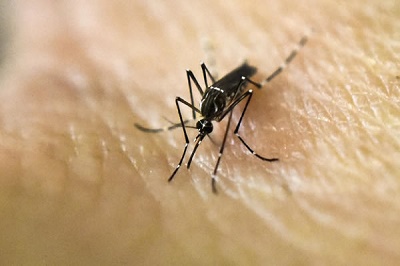
Zika is spread by mosquitoes of the Aedes genus, which can breed in a pool of water as small as a bottle cap and usually bite during the day. The aggressive yellow fever mosquito, Aedes aegypti, has spread most Zika cases, but that mosquito is common in the United States only in Florida, along the Gulf Coast, and in Hawaii – although it has been found as far north as Washington, D.C., in hot weather.
The Asian tiger mosquito, Aedes albopictus, is also known to transmit the virus, but it is not clear how efficiently. That mosquito ranges as far north as New York and Chicago in summer.
Although the virus is normally spread by mosquitoes, there has been one report of possible spread through blood transfusion and one of possible spread through sex. The virus was found on one occasion in semen.
 
3. How might Zika cause brain damage in infants?
Experts aren’t certain how it happens, or even whether the virus is to blame.
The possibility that the Zika virus causes microcephaly – unusually small heads and damaged brains – emerged only in October, when doctors in northern Brazil noticed a surge in babies with the condition.
It may be that other factors, such as simultaneous infection with other viruses, are contributing to the rise; investigators may even find that Zika virus is not the main cause, although right now circumstantial evidence suggests that it is. 
It is not known how common microcephaly has become in Brazil’s outbreak. About three million babies are born in Brazil each year. Normally, about 150 cases of microcephaly are reported, and Brazil says it is investigating nearly 4,000 cases. Yet reported cases usually increase when people are alerted to a potential health crisis.
 
4. What is microcephaly?
Babies with microcephaly have unusually small heads. In roughly 15 percent of cases, a small head is just a small head, and there is no effect on the infant, according to Dr. Constantine Stratakis, a pediatric geneticist and a scientific director at the National Institute of Child Health and Human Development.
But in the remainder of cases, the infant’s brain may not have developed properly during pregnancy or may have stopped growing in the first years of life. These children may experience a range of problems, like developmental delays, intellectual deficits or hearing loss.
 
The consequences can vary widely from child to child. Pinpointing an underlying cause helps clinicians to advise parents about their newborn’s prognosis.
 
Genetic abnormalities are a common cause. Microcephaly can also be triggered by infections of the fetus, including German measles (also known as rubella), toxoplasmosis (a disease caused by a parasite found in undercooked contaminated meat and cat feces) and cytomegalovirus. 
 
Microcephaly may also result if a pregnant woman consumes alcohol, is severely malnourished or has diabetes. If the defect occurs in a child’s first years, it may be a result of a brain injury during labor.
 
There is no treatment for an unusually small head.
 
“There is no way to fix the problem, just therapies to deal with the downstream consequences,” said Dr. Hannah M. Tully, a neurologist at Seattle Children’s Hospital who specializes in brain malformations.
 
5. What countries should pregnant women avoid?
About two dozen destinations mostly in the Caribbean, Central America and South America.
The Pan American Health Organization believes that the virus will spread locally in every country in the Americas except Canada and Chile. Here is the C.D.C.’s current list of countries and territories in which Zika virus is circulating. The latest updates are here.
 
 
6. How do I know if I’ve been infected? Is there a test?
It’s often a silent infection, and hard to diagnose.
Until recently, Zika was not considered a major threat because its symptoms are relatively mild. Only one of five people infected with the virus develop symptoms, which can include fever, rash, joint pain and red eyes. Those infected usually do not have to be hospitalized.
 
There is no widely available test for Zika infection. Because it is closely related to dengue and yellow fever, it may cross-react with antibody tests for those viruses. To detect Zika, a blood or tissue sample from the first week in the infection must be sent to an advanced laboratory so the virus can be detected through sophisticated molecular testing.
 
7. I’m pregnant and I recently visited a country with Zika virus. What do I do?
Some women should get blood tests, and just about all should get ultrasound scans.
On Jan. 19, the C.D.C. issued interim guidelines for women in that situation and for their doctors. The guidelines are complex — and may change.
 
In general, they say that pregnant women who have visited any area with Zika transmission should consult a doctor. Those who have had symptoms of infection like fever, rash, joint pain and bloodshot eyes during their trip or within two weeks of returning should have a blood test for the virus. 
 
That recommendation is controversial, because even women with no symptoms may have been infected — 80 percent of those who get the virus do not feel ill — and there is no evidence that babies are hurt only when the mother has been visibly ill. But at the time the guidelines were issued, the C.D.C. and state health departments simply did not have the laboratory capacity to test every pregnant woman who visited Latin America and the Caribbean in the last nine months, as well as every pregnant woman in Puerto Rico.
 
Even for women who get blood tests, the news is not entirely reassuring. Tests for the virus itself only work in the first week or so after infection. Tests for antibodies can be done later, but they may yield false positives if the woman has had dengue, yellow fever or even a yellow fever vaccine.
 
Under the C.D.C’s testing algorithm, pregnant women who have been to affected regions – whether they have symptoms or not, and whether they have negative or positive blood tests – should eventually have an ultrasound scan to see if their fetuses are developing microcephaly or calcification of the skull.
 
Unfortunately, an ultrasound usually cannot detect microcephaly before the end of the second trimester.
 
Some women also should have amniocentesis to test the fluid around the fetus for Zika virus. But amniocentesis involves piercing the amniotic sac with a long needle through the abdomen; it is slightly risky for the fetus and is not recommended before 15 weeks gestation.
Several companies are working on rapid tests for Zika infection. The C.D.C. also usually distributes test kits and training materials to state health departments during outbreaks, which should increase testing capacity.
8. I’m of childbearing age, but not pregnant and not planning to get pregnant. Should I go to an affected country?
Only if you use birth control religiously.
Half of pregnancies are unintended. If you want to visit a country where Zika transmission has been reported, Dr. Laura E. Riley, a specialist who works with high-risk pregnancies and infectious disease at Massachusetts General Hospital, advises strict use of birth control to ensure you don’t get pregnant.
Women who become unexpectedly pregnant while traveling or shortly afterward will face blood tests, monthly ultrasounds and a great deal of anxiety.
“Why would you ever sign yourself up for that?” said Dr. Riley. “There’s enough in life to worry about. I wouldn’t add that to my list.”
 
9. I’m pregnant now, but wasn’t when I visited one of the affected countries. What’s the risk?
Very low, experts say.
With rare exceptions, the virus does not appear to linger in the body, and people who recover from the infection are immune.
 
“Our understanding, thus far, is that the risk is very, very low if you were in that place prior to conception,” said Dr. Laura E. Riley of Massachusetts General Hospital.

“I wouldn’t be worried about if you conceived after you got back to the U.S.”
 
 
10. Does it matter when in her pregnancy a woman is infected with Zika virus?
Earlier in pregnancy seems to be more dangerous.
The most dangerous time is thought to be during the first trimester – when some women do not realize they are pregnant. Experts do not know how the virus enters the placenta and damages the growing brain of the fetus.
 
Closely related viruses, including yellow fever, dengue and West Nile, do not normally do so. Viruses from other families, including rubella (German measles) and cytomegalovirus, sometimes do.
 
11. Should infants be tested?
Other birth defects may be linked to the virus.
Federal health officials say that newborns should be tested for infection with the Zika virus if their mothers have visited or lived in any country experiencing an outbreak and if the mothers’ own tests are positive or inconclusive.
 
The reason, officials said in interviews, is that infection with the virus could be linked to defects in vision and hearing, among other abnormalities, even if the child does not suffer microcephaly. The other defects may require further assessments and testing.
 
The new guidance applies only to infants of mothers who reported symptoms of Zika virus infection — a rash, joint pain, red eyes or fever — while living abroad in an affected country or within two weeks of travel to such a destination.
 
12. Is there a treatment?
No.
The C.D.C. does not recommend a particular antiviral medication for people infected with the Zika virus. The symptoms are mild – when they appear at all – and usually require only rest, nourishment and other supportive care. 
 
13. Is there a vaccine? How should people protect themselves?
Protection is difficult in mosquito-infested regions.
There is no vaccine against the Zika virus. Efforts to make one have just begun, and creating and testing a vaccine normally takes years and costs hundreds of millions of dollars.
 
Because it is impossible to completely prevent mosquito bites, the C.D.C. has advised pregnant women to avoid going to regions where Zika is being transmitted, and has advised women thinking of becoming pregnant to consult doctors before going.
 
Travelers to these countries are advised to avoid or minimize mosquito bites by staying in screened or air-conditioned rooms or sleeping under mosquito nets, wearing insect repellent at all times and wearing long pants, long sleeves, shoes and hats.
 
 14. If Zika virus has been in Africa and Asia for decades, why wasn’t a link to microcephaly detected earlier?
It may be that the virus never had struck such a large population without immunity.
Microcephaly is rare, and it has many other causes, including infection of the fetus with rubella (German measles), cytomegalovirus or toxoplasmosis; poisoning of the fetus by alcohol, mercury or radiation; or severe maternal malnutrition and diabetes. It is also caused by several gene mutations, including Down syndrome.
Until recently, health officials paid little attention to Zika virus. It circulated in the same regions as dengue and chikungunya, and compared to those two painful infections – nicknamed “break-bone fever” and “bending-up fever” – Zika was usually mild.
 The virus is thought to have reached Asia from Africa at least 50 years ago. While it may have caused spikes in microcephaly as it first spread, there was no testing to pin down which of many possible causes was to blame.
In 2007, a Southeast Asian strain of the Zika virus began leap-frogging the South Pacific, sparking rapid outbreaks on islands where no one had immunity to it. Because island populations are small, rare side effects did not occur often enough to be noticed. But in 2013, during an outbreak in French Polynesia, which has 270,000 residents, doctors confirmed 42 cases of Guillain-BarrĂȘ syndrome, which can cause paralysis. That was about eight times the normal number and the first hint that Zika virus can attack the nervous system, which includes the brain.
Zika was first confirmed in Brazil – a country of 200 million – last May, and it spread like wildfire. The first alarms about microcephaly were raised only in October, when doctors in the northeastern state of Pernambuco reported a surge in babies born with it. Pernambuco has nine million people and 129,000 annual births. In a typical year, nine are microcephalic infants.
By November 2015, when Brazil declared a health emergency, Pernambuco had had 646 such births.
15. Outside of Brazil has a Zika outbreak ever been linked to microcephaly?
Officials in French Polynesia have suspicions about an outbreak two years ago.
French Polynesia is the only area outside of Brazil to be affected by a Zika outbreak in which public health officials have identified an increase in the number of fetuses and babies with unusually small heads. There is “very high suspicion” of a link between the Zika virus and microcephaly in French Polynesia, said Dr. Didier Musso, an infectious disease specialist at the archipelago’s Institut Louis MalardĂ© – though he said additional research was still needed.
Last November French Polynesian officials reinvestigated an outbreak of Zika that lasted from October 2013 to April 2014. They reported finding an unusual increase – from around one case annually to 17 cases in 2014-15 – of unborn babies developing “central nervous system malformations,” a classification that includes microcephaly.
There were no investigations at the time to determine whether the mothers were infected with Zika virus during pregnancy. Four of the mothers were tested later and the results indicated they may have been infected with the virus. Additional research is underway, Dr. Musso said. 
 
Source: nytimes

When News Breaks Out, We Break In. (The 2014 Bloggies Finalist)

Wife of Boko Haram Member Reveals How They Trained Female Suicide Bombers

A shocking revelation has been made by a frustrated wife of a Boko Haram member who revealed details of how her husband trained suicide bombers has gone viral on the net.
A renowned international investigative journalist, Chief Bisong Etahoben has made a shocking revelation using his twitter handle on how Boko Haram insurgents train suicide bombers. The story which is published by Nigerian online states that a jealous wife from Kerawa has betrayed her husband who allegedly trains girls, arms and sends them as suicide bombers to kill innocent people. 
The woman revealed that she helped her husband now living in Goche, prepare girls who exploded bombs in Mozogo, Ashigashiya and Kolofata.


When News Breaks Out, We Break In. (The 2014 Bloggies Finalist)
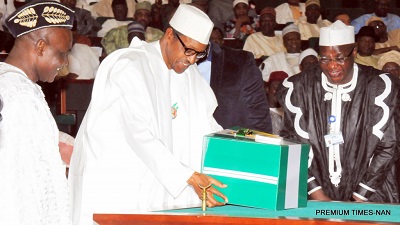
Backlash to Political Hatred: SDF, CDPM Militants Commune with Hon. Awudu Mbaya


The Member of Parliament for Donga Mantung Centre, Hon. Awudu Mbaya Cyprian who doubles as Questor at the National Assembly has urged the people of Bongom, Chup, Wat, Mbaa, Nwangri, Bih, Saah, Binjeng, Kungi, Tabenken, Binshua and (13 other) localities in Nkambe central sub Division to be advocates of peace and social change in their communities. Hon Awudu made the clarion call during a Midterm Thank You Tour that took him to several localities of Nkambe Central Sub Division. He used the opportunity to call on the population to shy away from politics of bitterness and hatred. Midterm Thank You Tour, he said is intended to bring together everyone without looking at party leniency. “This is not time for campaigns”. The tour which started at Kup village with the blessings of the gods of Merry reached its climax at Wanti, Mbaa and Wat market square where CDPM militants dressed in their party outfits joined the SDF in welcoming their MP. There was euphoria and jubilations as both party militants sang the famous “we are one, we are together” song. Though some local CPDM bigwigs were threatening militants, the militants of Wat and Mbaa stood their ground arguing that “enough is enough” and would not continue to accept that they are torn apart in the name of politics. The presence of the fons of Wat and Mbaa gave them the courage to engage into what has been described as a backlash to political hatred in Mbumland.

Traditional Rulers Ignite Hope  
 HRH Fon Valentine of Wat who doubles as CPDM councilor for Nkambe also defied all the odds to be part of the merrymaking. Addressing the population in his capacity as the ruler of Wat people and not councilor of the CPDM, the fon said that Hon. Awudu is the Member of Parliament for all and not of a single political party. The fon of Mbaa village on his part said that ever since multi party politics was reintroduced, the SDF has never ever lost an election in his village.
The fon of Kup on his part was categorical that Hon. Awudu Mbaya must go back to Parliament because he is the people’s choice. “Those who think that they can replace him are on the wrong side of history”, he added. HRH Fon Nformi Nfor of Bongom was very optimistic in his statement. He said that Hon. Awudu Mbaya should accept the people’s call to go back to the national assembly. “You are the one to go back and represent us in Parliament” he concluded.
The fons of Kup, Bongom and Mbaa were categorical that given the trappings of Hon. Awudu Mbaya, he should contest in the upcoming legislative elections. This call it should be noted was echoed by the SDF Zonal chairman for Bongom who in welcoming the MP and his entourage said that the population of Bongom village have chosen Hon. Awudu as their candidate for the upcoming legislative elections in 2018. Other fons who defied the party leniency to receive the MP included the Fons of Binshua and Kungi. Yet tongues are still waging as to why the fons of Saah, Bih and Tabenken did not attend the ceremony. It is even alleged some fons have been intimidating villagers to militating in the SDF. The case of the Fon of Saah where SDF zonal chairman decried that they were victimized by the village authorities.  

MP Dolls Out Parliamentary Goodies  
At Kup village, the MP donated 10 bags of cement for the plastering of the village hall and plywood for the rehabilitation of the Kup palace hall. He used the opportunity to donate additional bags of cement to Fai Bondi of Kup for the rehabilitation of the sub palace. In Bongom, Hon. Awudu embarked on the construction of the Bongom palace project (paid for 3000 sundried bricks, builders and 5 bags to kick start construction project which he had donated two bundles of zinc. At Mbabi-Wat, he donated 20 bags of cement for the plastering of the Yakwa and Nkfumdung youth halls and then zinc, sundried bricks, cement and zinc for the construction of Fai Ndimbep’s sub palace which was consumed by fire some two years ago.
At Konya, the MP also doled out 10 bags of cement for the plastering of GS Konya, another 10 bags of cement for the Nwangri Youth Hall and an additional 10 bags of cement, 3000 sundried brick to support the WACUDA construction project at the Nwangri Palace. At Mbaa, Hon. Awudu donated 10 treated electricity poles and cables for the extension of electricity to the Mbaa fon’s palace. At Mbanka, he donated 10 bags of cement for the renovation of GS Mbanka and an additional 10 bags for the rehabilitation of the Ntoh Youth Hall (Wat Palace). In Binshua, Wat market square and Tabenken, Hon. Awudu doled out 30 bags of cement for the renovation of the market sheds he constructed as part of micro project during his first mandate. At Binju, he also donated 10 treated electricity poles for the extension of electricity to some quarters, 10 bags of cement for the renovation of Binju sub palace and 10 bags of cement at Mayo Binka for the rehabilitation of the primary school. At Kindfu-Wat, he gave us 10 bags of cement for the renovation of the community hall and promised to support the construction of two bridges linking Wat to the Ngoro zone.  
    
Keynote Message
 “It is only when there is peace that we can make this Sub Division a small heaven”, Hon. Awudu Said. According to Hon. Awudu Mbaya, communities must be united to chase away the devil that wants to stir insecurity in Cameroon. “Daddy Awudu” as he is fondly known within the communities also congratulated the Nkambe Council for constructing market sheds in Wat, Bih, Saah and other localities. Development, he added should not be carried out with political sentiments but rather it should be for all. “This is not the time for campaigns; I have come to thank those who voted for me and against me because I am the Member of Parliament for all and not one political party”. He warned that those who are using politics to divide the people are doing so at their own peril. Politics, he emphasized should serve as unifying factor and to divide.  He spoke elaborately on the rural electrification project he lobbied for more than 24 localities in the Division. One of his key points was on the effects of climate change. He warned against abusive cultivation of eucalyptus trees in watersheds and catchment areas as well as the phenomenon of climate change.  
On their parts, the SDF District chairman, Education Secretary, District Secretary used the opportunity to call on those who have not registered in the electoral registrar to do so. The first lap of the tour ended in Tabenken where the massive turnout defied the established notion that the SDF party was dead in the area.  


When News Breaks Out, We Break In. (The 2014 Bloggies Finalist)

Wednesday, February 3, 2016

Please Tell Nigerians the Truth About the Boko Haram War - Ezekwesili Urges Buhari

 Former Nigerian minister, Oby Ezekwesili, has dared the Federal Government to come out clean before Nigerians as the fight against insurgency drags on.
 
Oby Ezekwesili
 Former Minister of Education, Oby Ezekwesili on Monday charged President Muhammadu Buhari to always tell Nigerians the truth when it comes to insurgency so as to stop creating doubts in the minds of the citizenry.
 According to Daily Post, Ezekwesili who is the leader of the BringBackOurGirls, BBOG, movement made the call at the group’s usual sit-out in Abuja.
 Ezekwesili said, “The government cannot afford to go to the old ways where lies were fed to the people. Let there be truthfulness. Government should not create a trust deficit syndrome because it will be difficult to mend. Everything that the government is doing concerning the war, they should tell the truth. We will get used to it and join in the solution.”
 Stating that BBOG will continue to demand for the return of the kidnapped Chibok girls, Ezekwesili beckoned on the President to fulfill the promise he made to the parents of the kidnapped girls.
 “What drove us out of our comfort zone is that we got tired of not doing anything. We will continue with our core value. No matter what anyone want to do, this advocacy will continue. A pledge is a pledge. We made a pledge to parents of the Chibok girls and will not fail in this pledge.”
 “We have gone through a lot. But what we have gone through is little of what the 219 girls are going through in the hands of the Boko Haram sect. Let nobody succeed in making us feel we should not continue. We will continue until the girls are back. The girls deserve justice and they have not been given justice. We are unhappy that they are spending close to two years in the hands of the terrorists.”
 “I have not lost hope. There is no basis to lose hope. Though we might be depressed sometimes, we won’t lose hope. We will stand for the girls. We will hold on to the commitment the president made to the Chibok girls’ parents and Nigerians. We believe that he will keep his promise and bring the girls back.”
“Some people have been vocal about our Chibok girls, but now they feel the Chibok girls are distractions. Our Chibok girls are not distractions,” she said.


When News Breaks Out, We Break In. (The 2014 Bloggies Finalist)
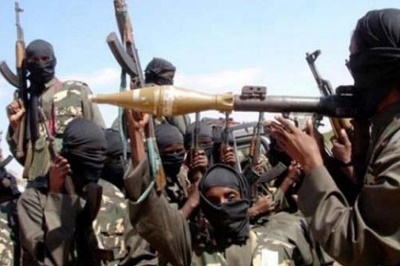
Cameroon Approves Use of Witchcraft in the Fight Against Boko Haram

Cameroonian president Paul Biya has reportedly approved the use of witchcraft in fighting terrorist group, Boko Haram in the Northern Region.

This is coming after Chiefs from the Northern Region recently requested approval from the president to use witchcraft in finishing the terror sect.
 According to Cameroonian journalist Chief Bisong Etahoben who broke the news, the chiefs have gotten the approval to swing into action.  Allegedly, Far North Governor Midjiyawa revealed that: “The head of state has demanded that an aspect of witchcraft be integrated into the fight against Boko Haram.”


When News Breaks Out, We Break In. (The 2014 Bloggies Finalist)

Sunday, January 31, 2016

Strange Beast Takes Over Disputed Piece of Land in Donga Mantung, Chases Population Away

An atmosphere of uncertainty looms at Ngong, quarter of Njap, a piece of land under dispute between Njap (Nkambe Central) and Kamine (Misajeb Sub Division) following the presence of a beast that has created panic. Reports say a strange beast, (buffalo) has taken over Ngong chasing away the inhabitants of neigbouring quarters, grazers and farmers. It is alleged attempts by some hunters and law enforcement elements to kill the buffalo ended up in frustration as the beast resisted and became more furious in attacking people. Allegedly, the buffalo attacked and chased away those who came armed with guns to kill it. According to a hint, the beast has been parading the borderlines between Kamine and Njap. A school of thought holds that it is the spirit of Fai Ndingaseh who was assasinated by unknown gun men that has resurfaced to take over his ancestral land. It is even alleged that ever since the administration of Donga Mantung placed an injuction on the funeral of the late Fai Ndiganseh, some strange beasts have always been spotted around the secret place where he was laid to rest, mostly during the night. Unconfirmed sources talk of a lion and tiger. Matters came to a head when the buffalo surfaced around his compound and attacked the homes of some grazers. The grazers we gathered have been scared by the presence of the buffalo. This incident we gathered is happening when the Senior Divisional Officer for Donga Mantung is trying to put in place a land dispute commission to investigate into the issue after the administrative court nullified his decision attributing the administration of Ngong to Misaje for reasons of proximity.
More details soon


When News Breaks Out, We Break In. (The 2014 Bloggies Finalist)

Thursday, January 28, 2016

Hon. Awudu Tours Nkambe Central, Dolls out Parliamentary Goodies

The Member of Parliament for Donga Mantung Centre, Hon Awudu Mbaya Cyprien has kickstarted a Parliamentary tour of Nkambe Central sub Division.  The tour which started at Kup village was described by impressionists on January 25, 2016 was marked by merrymaking, singing, dancing and tge distribution of parliamentary goodies. Addressing the population of Kup at the market square, the Member if Parliament expressed gratitude to the population for their massive turnout and the spirit of mutual coexistence they have demonstrated. Harping on the importance of community development, peace and mutual coexistence,  Hon. Awudu urged the population of Kup to be loyal, vigilant and to report any suspected individual seen wandering in the village to the forces of law and order, administration or their fon. He thanked them for the spirit if maturity, adding that politics should not tear families, homes, marriages or a people but rather should unite them to consolidate their continued existence. On the spot, he donated 10 bags of cement for the plastering of the Kup community hall, over 40 sheets of plywood to modernize the Kup palace and promised to construct the bridge over river Merry as well as provide pipe borne water for GS Kup. He further said that he was not on a campaign trip but on s Thank You tour to commune with all the living forces, including militants of other politucal parties reasons why when he was sharing bags of salts to SDF wards, he made sure that militants of the CPDM who showed up also had their share of the parliamentary goodies. Reacting to the worry raised by the fon of Kup on the rural electricity project, Hon. Awudu said that a team will in the days ahead storm Kup village to start the job. Before handing the bags of cement to the beneficiary, he also called on both SDF and CPDM militants to collectively support with the transportation of sand given that development is best implemented when it is participatory. He paid the technicians who will carryout the plastering of the community hall. He said though Kup has no councilor, he will happily play that role reasons why Kup village was chosen as the starting point of his parliamentary tour. On his part, the District chairman of the Nkambe electoral district Mbeh Shey Wilfred used the opportunity to call on SDF militants who have not yet registered in the electoral registra to do so. Other speakers included the SDF zonal chairperson, Bonda, SDF education Secretary Mary Awudu and SDF Secretary Sajoh Amidu Yerima.The parliamentary tour will take Hon. Awudu Mbaya and his entourage to Bongom, Mbabi, Chup, Konya on the second day, and on day three they will be at Kindfu, Nwangri, Mbijah. Day four: Ntermbang and Mbanka. Day five: Wanti, Mbaa, Ntamru. Day six: Njema and Bih. Day seven: Mayo Binka, Lower Mbot and Mbikop. Day eight: Binshua and Binju. Day nine: Ntumbe/Ngotong, Kungi and Tabenken. Day ten: Saah. Day eleven: Binjeng. Day twelve: Wueng/Nfingong, Mantu, Ngie/Ngieku, Njap. Day thirteen: Binka. Day fourteen: Konchep, Moh and Nkambe

Enters Fon of Kup
One of the speakers who caught public attention during that historic visit was the fon of Kup. In his speech, he presented some pertinent problems which were rechoed by the zonal chairman. The fon of Kup decried the fact that there is no road linking the farmlands and village which continue to result to postharvest loses and wastage. He said the population decided to construct a temporary bridge but its not solid enough for vehicles to use it. This bridge he added also links them with Lassin and there is a large community of their people living there. He presented the problem of thr Kup community nursery school which has not been absurb by government though otgers created after them have all been taken over. He told the population that Hon. Awudu is Member of Parliament for all not only for the CPDM.


When News Breaks Out, We Break In. (The 2014 Bloggies Finalist)


Wednesday, January 20, 2016

Buhari's Budget Fails Integrity Test - Senate

 Emerging reports reveal that some conflicting details in the second 2016 national budget proposal presented before the national assembly in comparison with the initial one led to its outright rejection.
An alleged discovery of strange projects in the second version of the budget 2016 document brought by the presidency to the National Assembly was responsible for its rejection, the Senate declared yesterday, according to the Guardian News.
The Senate Majority Leader, Mohammed Ali Ndume, who briefed journalists at the National Assembly, disclosed that the second budget document failed a series of integrity tests carried out on it by the Senate.
He confirmed that the Senate President, Dr. Abubakar Bukola Saraki, would today unveil the contents of a letter sent to the upper legislative chamber by President Muhammadu Buhari. But Ndume refused to disclose the letter’s content.
The Senate last Thursday rejected the replacement of the original version submitted to it by Buhari.
Saraki, who announced the decision of the Senate to reject the second version of the budget, had said: “We have received the report of the Committee on Ethics, Privileges and Public Petitions on investigations surrounding 2016 Appropriation Bill. Our finding is that the Senior Special Assistant to the President on National Assembly Matters (Senate) Senator Ita Enang, printed copies of the 2016 Appropriation Bill and brought to the Senate.
“We have discovered that what he brought is different from the version presented by Mr. President. We have resolved to consider only the version presented by Mr. President as soon as we receive a soft copy of the original document from the Executive,”
he added.
But providing further details on how the second budget document contradicted the original one, Ndume said that the few copies of the budget proposal document earlier submitted to the Senate were thoroughly compared with the copies that were later brought by the presidency and it was discovered that there were differences

When News Breaks Out, We Break In. (The 2014 Bloggies Finalist)
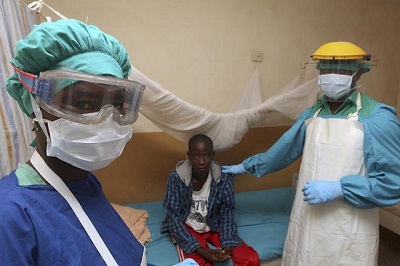
Lassa Fever Reported in 17 States in Nigeria

The surge of the spread of the Lassa fever propagated by a specie of rats has continued to gather momentum in Nigeria with several medical measures to cushion the epidemic.
 
The Federal Government said on Tuesday that Lassa fever has claimed 63 lives out of 212 suspected reported from 62 local government areas in affected states.
The Minister of Health, Prof. Isaac Adewole, confirmed this at the emergency National Council of Health meeting in Abuja on the outbreak of the disease.
Adewole listed the 17 affected states as Bauchi, Niger, Taraba, Kano, Rivers, Oyo, Ondo, Edo, Plateau, Gombe, Nasarawa, Lagos, Delta, Ekiti, Ebonyi, Zamfara and Kogi as well as the FCT. He said there is high level of denial and conspiracy across some states, adding that health managers should not deceive executives by the pretence and silence.
The Minister described the denial of Ebonyi to report five suspected cases and one death as conspiracy of denial. He said every state should consider itself at risk and put measures to contain and prevent the disease.
Adewole said the federal government would maintain high level of alert all year round to celebrate Lassa fever obituary next year. “With the resources available we will collectively eliminate the disease in Nigeria soon.
 “We have special facilities around us and we have adequate human resource to address the challenge.
“We will strengthen the Primary Health Care Centres across the country to enhance the surveillance mechanism,’’
he said. The minister said 5,000 Primary Health Care centres would be activated before the end of 2016.


When News Breaks Out, We Break In. (The 2014 Bloggies Finalist)
Biafra: EU High Representative Gives Condition for Support for Autonomy

 The European Union High Representative has finally replied pro-biafra agitators and Organization of Emerging African States on the condition for supporting the emergence of Biafra.

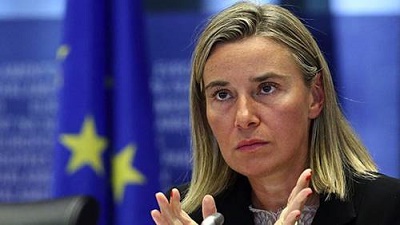
European Union High Representatives, Federica Mogherini
 
Federica Mogherini, European Union High Representative for Foreign Affairs and Security has replied Biafra agitators and the Organization of Emerging African States (OEAS) over their call for a referendum.
The OEAS had earlier requested that the European Union High Representative for Foreign Affairs and Security utilizes their good office to help bring about a referendum for Biafra’s independence.
The OEAS also called for release of all Biafran political prisoners, a stand down of Nigerian forces, and a snap referendum to be held within 90 days. 
In response to their request, Mogherini replied Dr., Jonathan Levy, OEAS Chief Administrative Officer, stressing that, the European Union’s official position is that while it has strong diplomatic and economic ties with Nigeria, “protection of human rights and fundamental freedoms remains a priority for the EU and we encourage the authorities [Nigeria] in every occasion to respect such rights.”
The EU went on to advise the OEAS and Biafrans that self-determination and border changes must be in accordance with established international law. The OEAS has called for an internationally recognized referendum on Biafra independence or autonomy. The EU has indicated it will only recognize a Biafra born via international law and not armed secession.
To achieve a referendum, the OEAS advises all nonviolent means should be utilized including general strikes, economic boycotts, work actions, demonstrations, lawsuits, and civil disobedience. Nigeria is a member of The International Labour Organization (ILO). The ILO recognizes the right to engage in general strikes and the right to strike is also recognized in the International Covenant on Economic, Social and Cultural Rights of 1966 (Article 8(1)(d)).


When News Breaks Out, We Break In. (The 2014 Bloggies Finalist)
Tuesday, January 19, 2016

Alert: First Case of Lassa Fever Confirmed in Lagos


The worries concerning the spread of Lassa fever in Nigeria has hit Lagos following the shocking confirmation of an infected patient today, 16th of January.
  The Lagos University Teaching Hospital (LUTH), Idi-Araba, Lagos has confirmed the first case of Lassa fever in Lagos State.
According to the Chairman, Medical Advisory Committee (CMAC), Dr. Olufemi Fasanmade, the patient is isolated at the Accident and Emergency (A&E) unit of the hospital.
Fasanmade said, “containment area being devised, ribavirin available. We will use theatre in A&E as isolation ward. No need to panic. But limit movement to A&E if not necessary. Our trained staff on ground.”


When News Breaks Out, We Break In. (The 2014 Bloggies Finalist)

Nigerian Universities Commission Announces Overall Best University in Nigeria


The NUC has released the list of the best Federal University in Nigeria as well as that of the private schools.
 
University of Jos (UNIJOS) has been named as one of the best among second generation Universities in the country in 2015 ranking of the Nigerian Universities Commission (NUC), according to The Nation.
The University was ranked the best after Ilorin. A statement signed by Abdullahi Abdullahi, Principal Officer Assistant Registrar, Information and Publication of the university, noted that: “The second generation Universities are the 12 universities established between 1970 and 1985 to meet the increasing need for university education in Nigeria especially in the area of Science and Technology.”
Abduallhi said: “University of Jos was however ranked 7th in the overall ranking of all Federal, State and Private Universities in Nigeria.”
NUC named the University of Ibadan in overall first position while Covenant University was rated as the best private University in Nigeria. Similarly, a student of UNIJOS bagged First Class among his peers in the November 2015 Bar Final Examination of Nigerian Law School, Bwari, Abuja.
The student, Okwor Keneth Ononeze was among the 2013/2014 graduates of the university. Secretary to the Council and Director of Administration, Council of Legal Education, Mrs Max-Uba conveyed this through a letter of commendation to the university, addressed to the Vice-Chancellor, Prof Hayward Mafuyai.
Mafuyai described the ranking as clear recognition of the enormous work being done in the university.
“It was encouraging that the university was being appreciated for the impact it is creating towards human capital development in the country, noting that the ranking was consistent with the University’s global rating.
“If not for some challenges, the University could have achieved greater success. I enjoin all stakeholders to rally round towards ensuring that the University achieves its full potential,”
he said.

When News Breaks Out, We Break In. (The 2014 Bloggies Finalist)

Friday, January 15, 2016

PM Yang, Meeting of North West Elite(s) in Yaounde Tell Fon Teche to Quit NOWEFU


Fon Teche
North West Elite(s) meeting in Yaounde have decided that HRH Senator Fon Teche, the outgoing President of the North West Fons Union-NOWEFU must organize an elective General Assembly so as to hand over the leadership with immediate effect. The Eye gathered that North West elite(s) mostly high profile personalities in government took that decision last week in a stormy meeting. The elite also called on the outgoing President of NOWEFU to facilitate the adoption of a new constitution. They decried the fact that the one-time biggest lobbying group that is wallowing in the gutter. Prime Minister Philemon Yang, The Eye is aware was very bitter that a one-time enviable association has been transformed into a sinkhole by its present leadership. According to the hint, PM Yang gave just two months for NOWEFU outgoing President to organize the elective general assembly. It should be recalled that Fon Teche’s mandate expired in March 2015 reasons why PM Yang is quoted to have given firm instructions to that effect.
Donga Mantung Division was expected to produce the next President of NOWEFU yet matters came to a head when the Fon Chafah in his capacity as founding member took the matter to court. Last December, the Mezam High Court ruled that the outgoing President should organize an Annual General Assembly to adopt a new constitution as well as hand power.
Yet HRH Fon Teche has been mute. Allegedly, the court ruling even gave him the leeway to remain in power up to 2018.  Public opinion in the North West Region has saluted the fact that Prime Minister, Philemon Yang as well as North West elite in Yaounde have decided to put an end to the precarious crisis in NOWEFU.  Worthy to note that Fon Teche Njei who is Fon of Ngyen-Muwa village in Momo Division, and Senator, was elected President of NOWEFU on March 16, 2012. After serving his three years term as spelt out in the Union’s constitution, Teche’s mandate expired on March 16, 2015. His reluctance to convene an elective general assembly after the expiration of his mandate is the reason behind Chafah’s warning. The situation has left many to conclude that there is a power vacuum at the helm of NOWEFU.  


When News Breaks Out, We Break In. (The 2014 Bloggies Finalist)